
Closing the gap between children with autism and the support they need to thrive
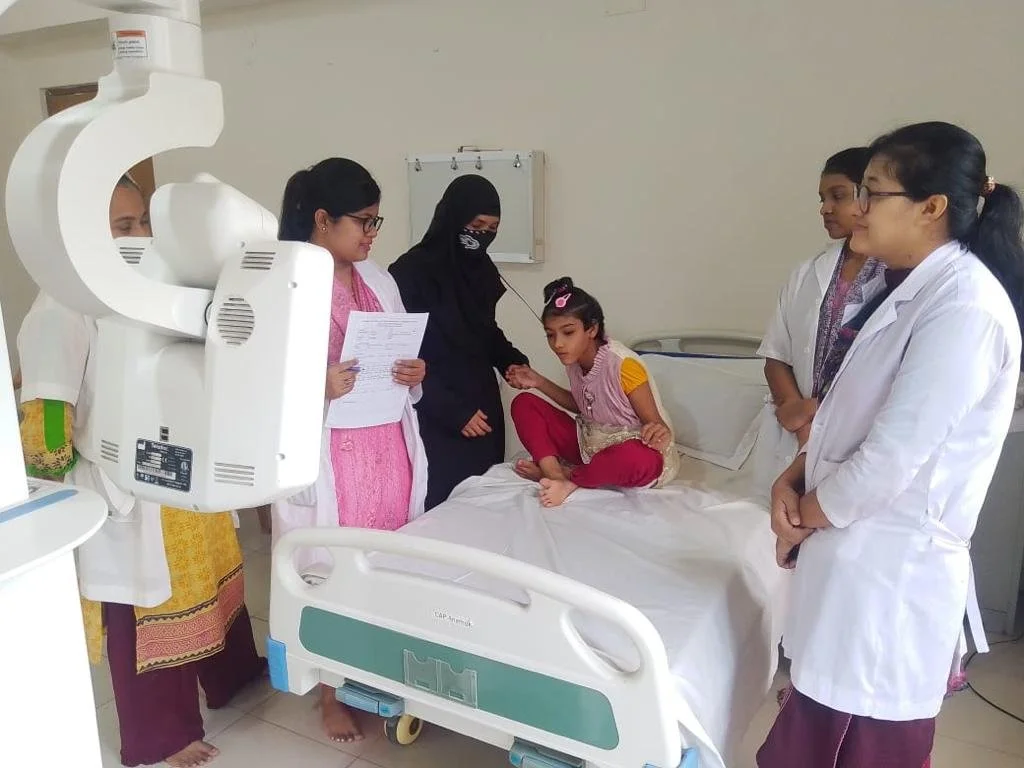
Millions of children worldwide have developmental disabilities, yet the communities with the greatest needs often have the least access to specialists who can help identify and support them.
World Telehealth Initiative is helping bridge that gap by bringing specialized expertise directly to clinicians in under-resourced healthcare settings. Through a biweekly telehealth clinic, an autism expert in Australia is working with clinicians in vulnerable communities to deepen their knowledge, discuss patient cases, and strengthen the tools they use to support children with developmental concerns.
An estimated 52.9 million children under five have a developmental disability, and about 95% of them live in low- and middle-income countries. Families there absorb much of the cost. A 2023 study in Uganda found that caring for a young child with a developmental disability costs a family an average of US$949 a year, mostly from the expense of seeking care and income lost when a caregiver leaves work. Parents also pay in wellbeing: in a 2019 meta-analysis, 31% of parents of children with intellectual and developmental disabilities reached the clinical cutoff for moderate depression, compared with 7% of other parents.
Why timely care matters
For children with autism and other developmental conditions, access to knowledgeable clinicians can make a significant difference in identifying their needs and getting appropriate support. The World Health Organization notes that autism is often not diagnosed until well after it can first be detected, and that it can limit access to education and employment. The first clinician a family sees is often the one who can shorten that wait. One who recognizes developmental concerns can point a family toward support while a child is still young.
Timely access to evidence-based interventions can help children develop communication and social skills and improve their well-being. For example, research in the Journal of Autism and Developmental Disorders shows that functional language development before ages five to six is one of the strongest predictors of positive outcomes for adults with autism. Early therapies and parent-mediated communication programs significantly boost expressive and receptive language, which lowers future behavioral frustration and supports social integration (Seo et al., 2025).
A shortage of specialists
Yet in many low- and middle-income countries, where the need is greatest, access to specialists and developmental services remains limited. For clinicians in under-resourced hospitals and clinics, caring for children with developmental concerns often means working with limited access to specialized training and guidance. Appropriate assessment tools and support services are limited, particularly outside major cities.
WTI's autism clinic helps address this gap by connecting local healthcare teams with experienced specialists who can help them develop their knowledge, discuss the children in their care, and strengthen their approach to developmental assessment and support.
Inside the clinic with Dr. Lola
Dr. Lola Okeowo has more than ten years of experience as a clinician and autism specialist. Through World Telehealth Initiative, she shares this expertise with clinicians across the world who are regularly caring for children with autism without the tools and training they need. The clinic is currently ongoing at HOPE Field Hospital inside the Rohingya Refugee Camp in Bangladesh. Each session of the biweekly telehealth clinic pairs teaching with discussion of children the team is treating. The case discussions have also helped make the training relevant to the team's setting, allowing conversations to address the questions and challenges clinicians are encountering in their day-to-day work.
“It has been encouraging to see the team's enthusiasm to deepen their knowledge and develop more practical strategies for supporting the children they serve,” Dr. Lola shared.
Following recent discussions, Dr. Lola is preparing clinical resources and tools to help the team apply what they have learned. She is also working with clinicians to review their existing patient intake and clinical documentation processes. Dr. Lola and the team are exploring how to strengthen their current process by incorporating developmental, behavioral, learning, and functional information that may not currently be captured consistently. More complete information can help clinicians build a clearer understanding of a child's needs and support their assessment and ongoing care.
“Our conversations are beginning to move beyond the teaching sessions into identifying practical ways to strengthen their existing developmental care processes,” Dr. Lola explained.
We are grateful to Dr. Lola Okeowo for sharing her expertise and to Dr. Tarik and the HOPE Field Hospital team for their commitment to improving care for children with developmental and behavioral conditions.